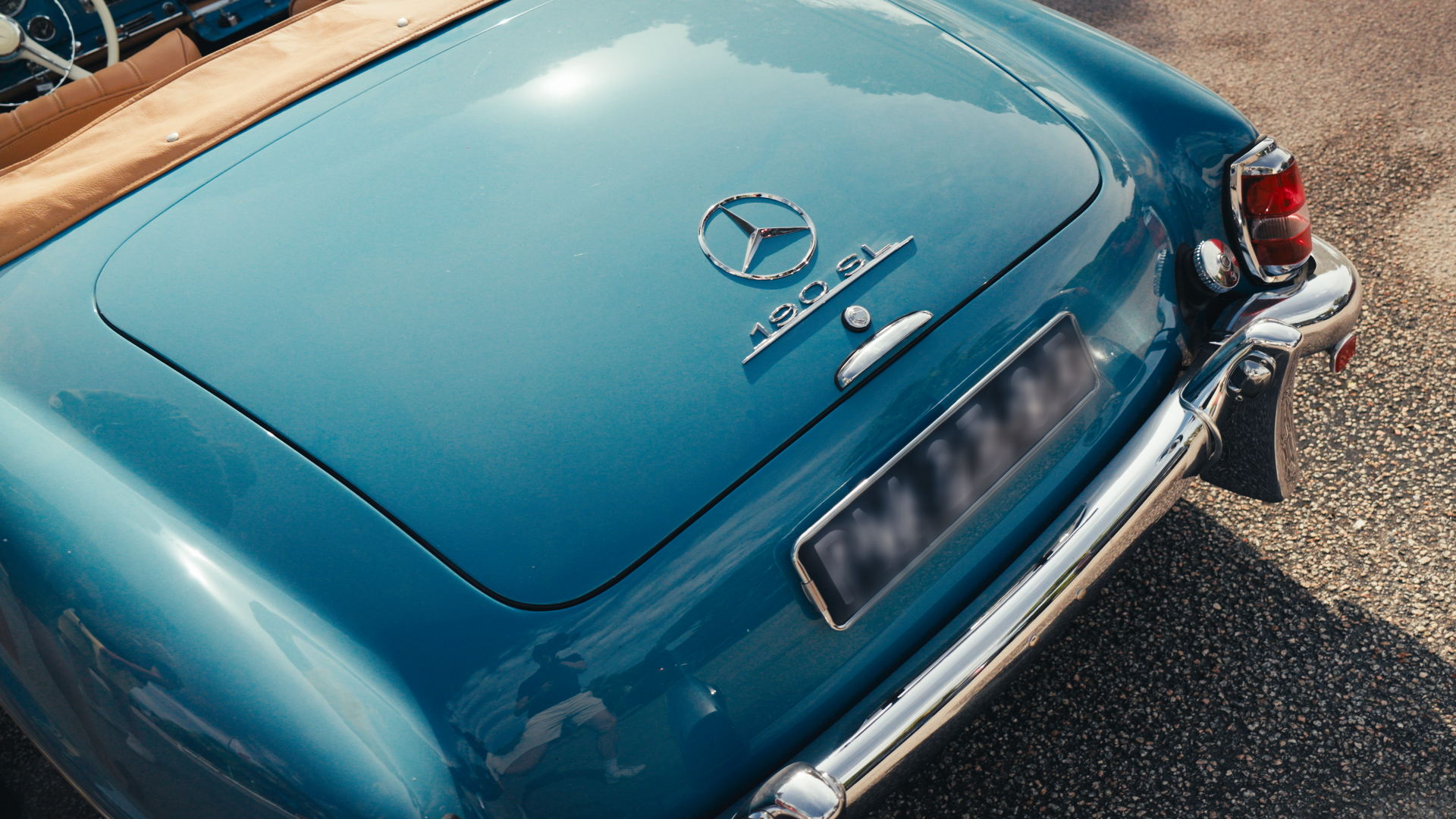
Article: Custom Car Photobooks: The Best Way to Document Your Classic Car or Collection
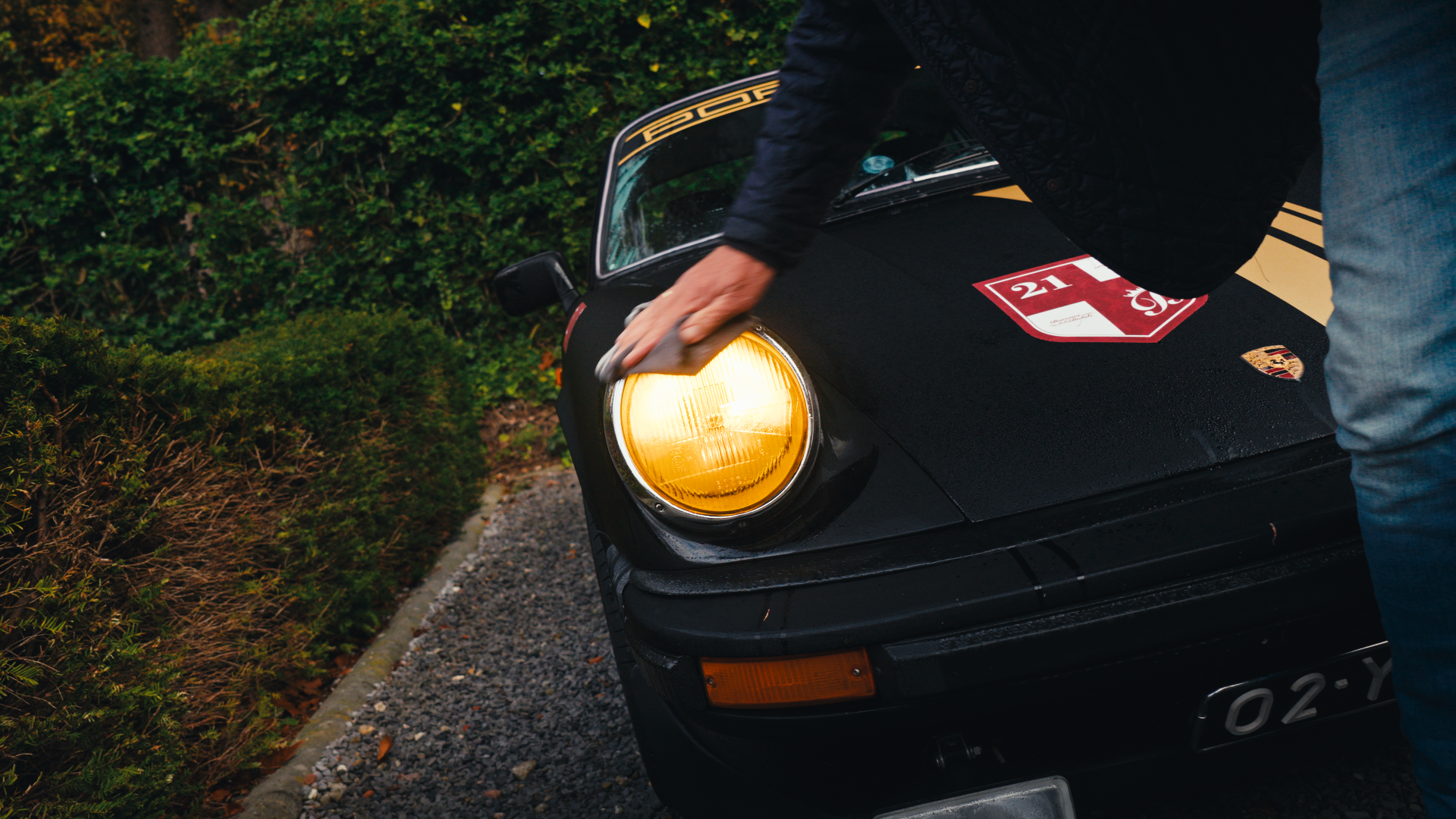
Custom Car Photobooks: The Best Way to Document Your Classic Car or Collection
There is a particular problem with digital photography, and car enthusiasts are more exposed to it than most.
You take the photographs. They exist on a hard drive, or in cloud storage, or scattered across the camera rolls of several phones and several years. They are technically accessible but practically invisible — filed away in a format that no one sits down with, that no one returns to, that does not exist as an object in the world.
The custom photobook solves this problem. It turns documentation into something permanent, physical, and worth keeping.
What a Custom Automotive Photobook Is
A custom car photobook is not a photo album in the traditional sense. It is a designed, curated, printed object — typically produced in limited quantity, sometimes as a single copy — that documents a specific car, build, restoration, or collection.
The best examples function as both archive and artwork. They record provenance, document the restoration process, present the car in its finest form, and tell the story of the relationship between an owner and a machine. They are the kind of object that gets passed down.
Who They Are For
Custom automotive photobooks serve a specific audience:
Restorers and builders who want a permanent, high-quality record of the work they’ve done — the before, the during, and the result. For a project that has taken years of your life, a photobook is the artifact it deserves.
Collectors with significant cars who want to document their collection for personal records, insurance purposes, or eventual estate planning. A well-produced record of a collection — with provenance documentation, technical specifications, and photography — has real practical as well as emotional value.
Owners of historically significant vehicles who want to create a reference document that future custodians will find invaluable.
What the Production Process Looks Like
A properly produced custom automotive photobook begins long before anything is printed. It begins with a conversation about the story: what is the car, who owns it, what has happened to it, and what should the book communicate?
From there, a photography brief is developed. The photography itself may take one day or several, depending on the complexity of the project. Editorial content — technical documentation, historical research, interview with the owner — is developed alongside the images.
Design comes next: layout, typography, paper selection, binding. Every decision shapes the experience of holding and reading the final object. The best automotive photobooks feel as considered as the cars they document.
Printing is typically done in small runs on high-quality fine art or photography stock, with binding options ranging from perfect-bound soft covers to hand-bound hardback editions with custom slipcase.
Why It Matters More Than You Think
There is a tendency to think of documentation as something you’ll get around to eventually. The photographs are already taken. The car is already finished. The story already exists in your memory.
The problem is that memories fade, hard drives fail, and eventually the car will have a new owner who knows nothing of its history. The photobook closes this gap. It makes the story permanent and transferable.
Ridge & Axle produces custom photobooks and photographic documentation packages for individual owners, restorers, and private collectors. Every project is treated with the same editorial care we bring to our public content — because the private story of a car is as worth telling well as any public one.