Authenticity Is Reshaping Automotive Communities — And What It Means for Car Culture
Something is shifting in car culture, and if you’ve been paying attention, you can feel it.
The influencer model — the sponsored post, the borrowed hypercar, the content calendar disguised as passion — is losing its grip. Audiences are becoming more sophisticated, and they are beginning to reject content that looks like a car commercial dressed up as a personality.
What’s replacing it is something older and more honest: authenticity.
The Problem With Performed Passion
For a decade, automotive social media was dominated by a particular aesthetic. Supercars in front of private jets. Watches on steering wheels. Perfectly lit garage doors. The cars were often borrowed, the garages rented, and the passion indistinguishable from marketing copy.
This content performed well algorithmically, which encouraged more of it, which gradually flattened the personality out of car culture until much of what you saw online bore no resemblance to what actual car enthusiasts experience.
The irony is profound. Car culture, in its essence, is about individuality — about a specific relationship between a specific person and a specific machine. The influencer model managed to make it generic.
What Authentic Car Culture Looks Like
Authentic car culture doesn’t always photograph well, and that’s part of how you recognise it.
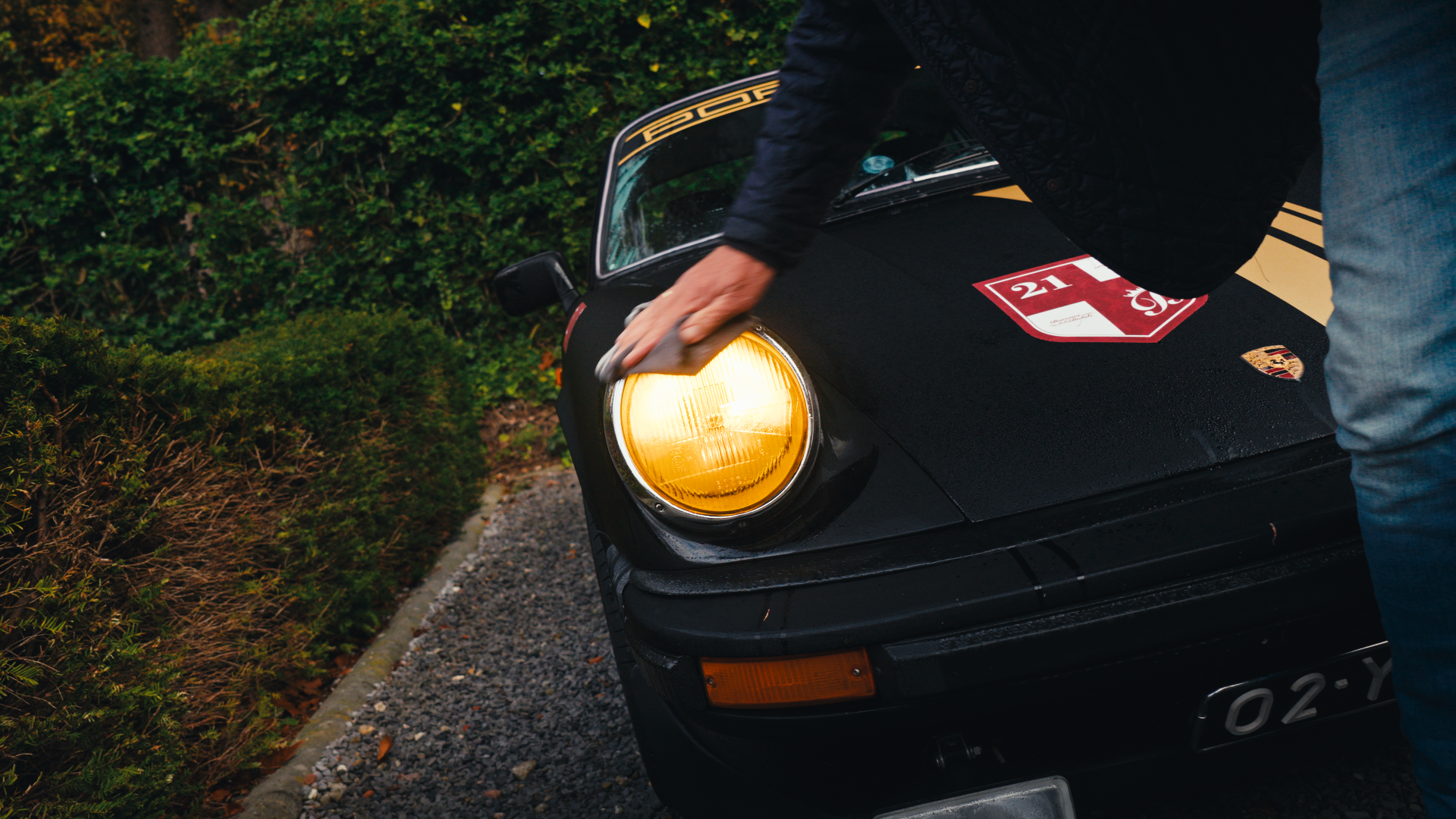
It looks like a mechanic’s hands at the end of a long day. It looks like a rain-soaked rally checkpoint at 6am. It looks like a dashboard covered in post-it notes during a long restoration, or a grandfather showing a grandchild how a carburettor works.
It sounds like arguments about the correct type of steering fluid and agreements about which era of BMW was the last great one. It smells like oil and petrol and the particular combination of both that gets into your clothes and never quite leaves.
This is what real car enthusiasm looks like. It is specific, sensory, and deeply personal.
Why Audiences Are Hungry for It
There is a growing exhaustion with content that requires no trust. When every car post is an advertisement for something — a brand, a lifestyle, an image — there is nothing left to believe in.
Authentic communities offer the opposite. They offer the possibility of recognition: the feeling of seeing yourself in someone else’s story. When a community is built around real people and real passion, it becomes a place rather than a channel. And people are desperately looking for places right now.
The European Advantage
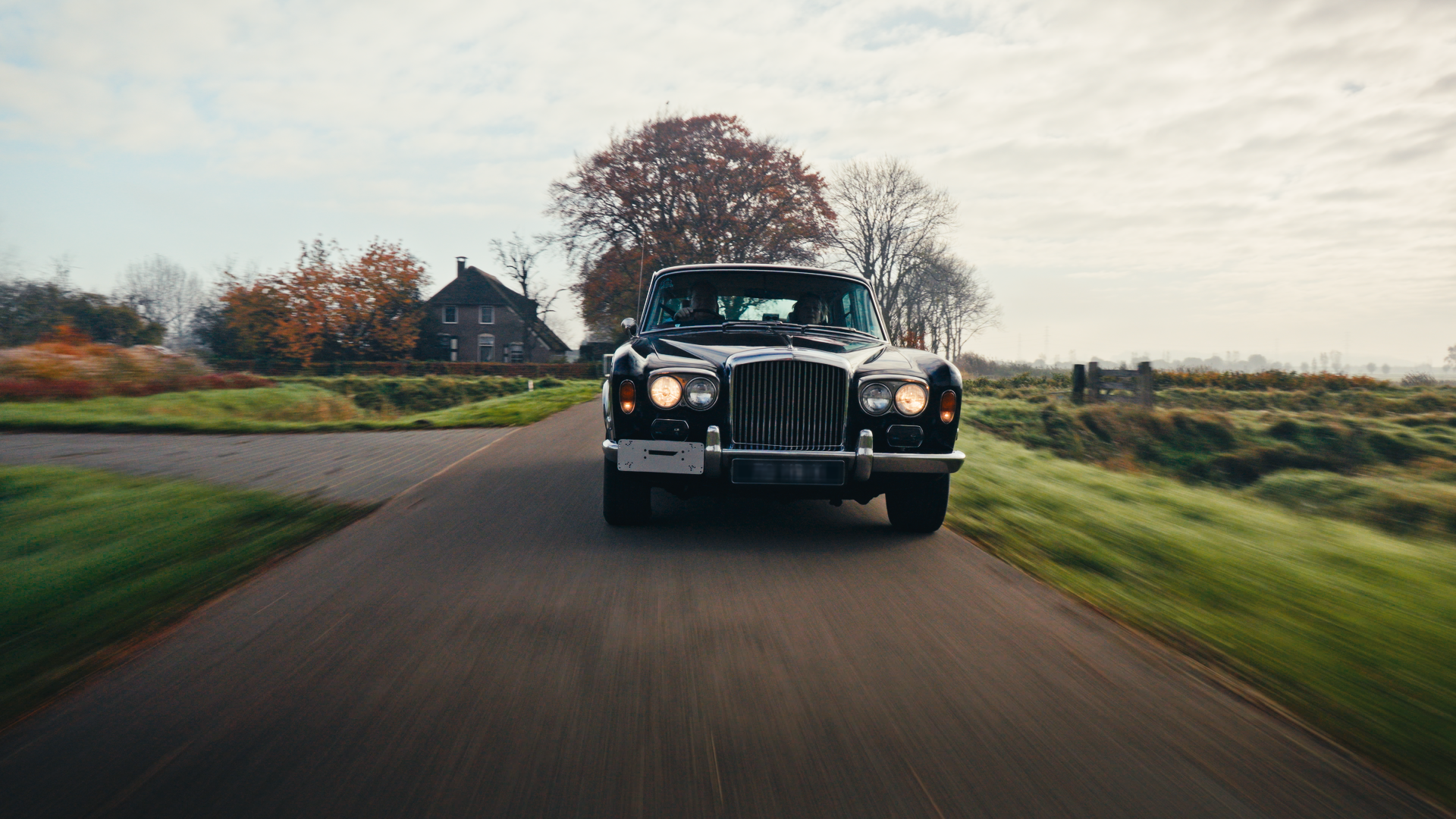
European car culture has always had an advantage here. Its character is too regional, too specific, and too varied to be easily reduced to a universal aesthetic. The Alpine pass in fog, the industrial event space in Rotterdam, the barn in rural Burgundy where a Citroën DS has been sleeping for thirty years — these are not interchangeable backdrops.
This specificity is exactly what authentic content needs. It cannot be faked, because it cannot be produced without being there.
What This Means for the Future
The automotive communities that will matter in the next decade will not be built around follower counts. They will be built around trust — between people who share the same values and genuinely care about the same things.
This is the foundation Ridge & Axle is built on. Not an audience, but a community. Not content, but stories. Not performance, but the real thing.
The future of car culture belongs to those who loved it before it was popular, and will love it long after the algorithm moves on.
Be part of a community built on real passion at www.ridgeandaxle.com