Article: What Is European Car Culture? A Deep Dive Into Passion, Identity & Community
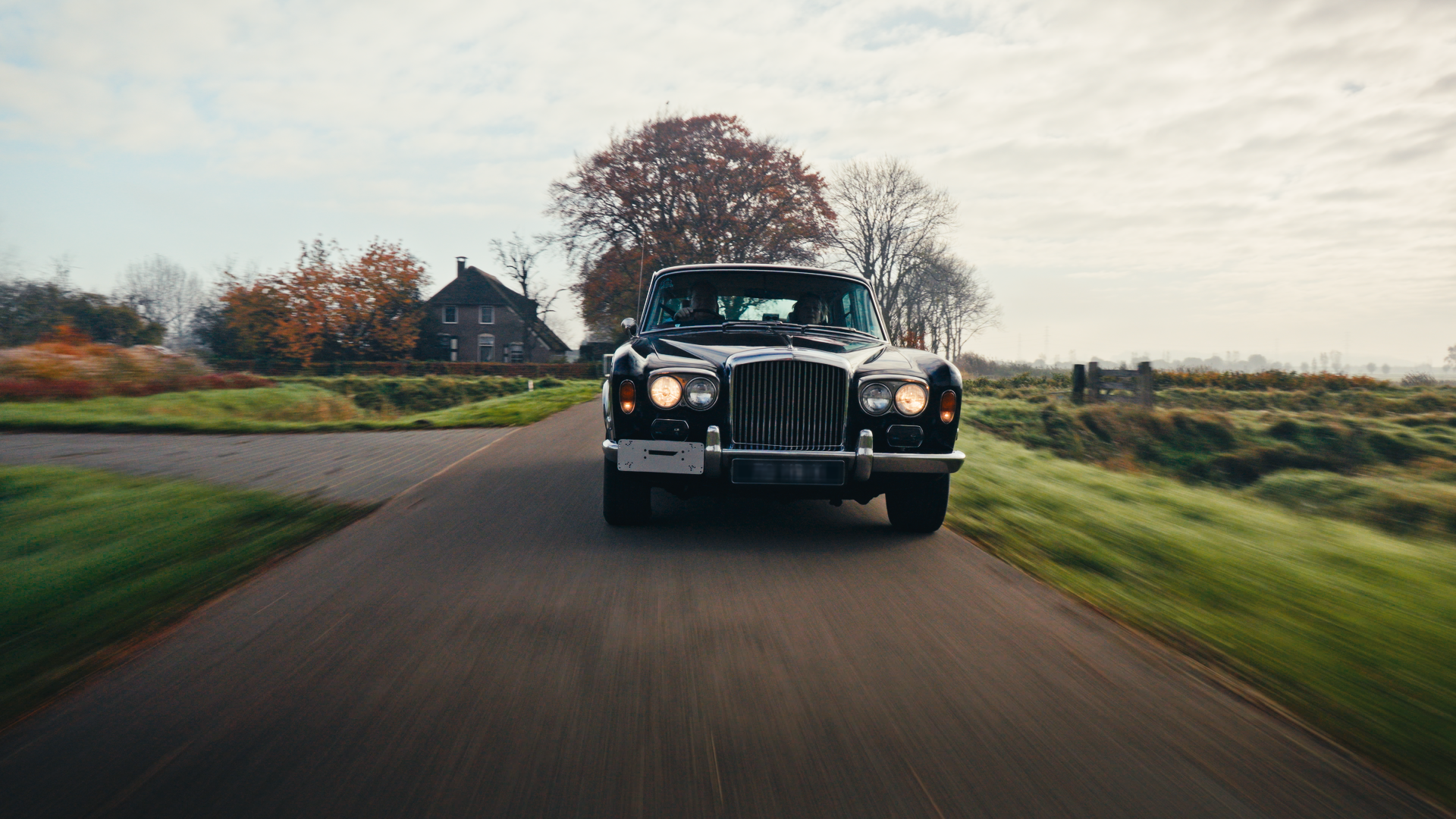
What Is European Car Culture? A Deep Dive Into Passion, Identity & Community
There’s a garage in rural Tuscany where a retired schoolteacher spends every Saturday working on a 1971 Alfa Romeo GT Junior. He doesn’t post about it. He doesn’t have sponsors. He just works — methodically, lovingly, over decades.
That garage is European car culture.
It doesn’t look like what you see in American YouTube channels, and it certainly doesn’t look like what influencers post from Malibu. It’s quieter, older, and infinitely more real.
What European Car Culture Actually Means
European car culture is not a trend. It’s a tradition. From the cobblestone streets of Stuttgart to the mountain passes of the Swiss Alps, cars have been woven into the fabric of European identity for over a century.
The continent that gave the world the internal combustion engine, the autobahn, and Formula 1 doesn’t worship cars as status symbols. It worships them as machines with history, character, and soul. A battered E30 BMW is as respected as a pristine Ferrari — sometimes more so — because what matters is not the price tag, but the story behind it.
The Diversity That Makes It Rich
One of the most striking things about European car culture is how regionally diverse it is. The British have their cottage-industry kit cars and understated gentleman racers. The Italians have their operatic relationship with speed and design. The Germans have their engineering obsession and meticulous restoration ethics. The French have their irreverent avant-garde tradition. The Dutch, the Belgians, the Scandinavians — each bring something entirely their own.
This mosaic of automotive identity is what makes European car culture impossible to replicate. You can’t manufacture it in Los Angeles. It grew organically from landscape, history, and national character.
Why Authenticity Is at the Core
Walk into any European classic car event and you’ll notice something immediately: people are talking about the cars, not their own image. The stories shared are about the breakdown on the way to the rally, the engine rebuild that took three years, the moment a father handed a son the keys to a car he’d owned for thirty years.
This is what separates European car culture from much of what the internet calls “car culture.” The European tradition is rooted in doing, not performing. In knowing, not showing.
It’s no coincidence that the most respected figures in European automotive circles are often restorers, coachbuilders, and collectors — not influencers.
The Role of Landscape
You cannot separate European car culture from the European landscape. The Stelvio Pass. The Col de Turini. The Grossglockner. These are not just roads — they are pilgrimage routes for car enthusiasts. The way a mountain pass forces you to be present, to feel every gear change, to hear the engine echo off rock faces — that is an experience that defines the relationship between Europeans and their cars.
No amount of horsepower or carbon fibre changes this. The road is the stage, and the car is the instrument.
Where to Find Your Place in It
European car culture is not exclusive. You don’t need a six-figure car to belong. What you need is genuine passion and curiosity. Weekend meets in industrial car parks, regional rallies through the countryside, restoration workshops in farm outbuildings — these are the heartbeat of the culture.
Ridge & Axle exists to document exactly these moments: the real people, the real stories, and the real passion that makes European automotive culture unlike anything else on earth.
Whether you drive a restored 2CV or a concours Ferrari — if you love cars the way they deserve to be loved, you’re already part of this.